
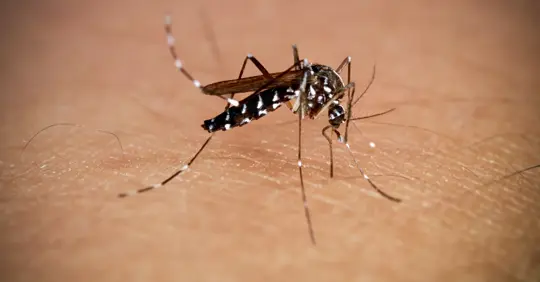
Spring in [North Venice, FL] brings warmer weather, blooming flowers, and, unfortunately, a rise in mosquitoes. These tiny insects can be more than just annoying — their presence often signals areas of standing water or shaded spots that encourage breeding. Understanding their lifecycle is key to reducing mosquito activity around your home or business.
Act now to protect your home and family! Reach out to us today through our online contact form or call (941) 420-6199 for caring, timely guidance on managing mosquito concerns.
Mosquito Eggs: The First Stage
Mosquitoes start life as tiny eggs, often laid on or near standing water. Common spots include birdbaths, clogged gutters, puddles, or even plant saucers.
- Eggs can hatch in just 2–3 days when conditions are warm and wet.
- Some mosquito species lay eggs that survive dry periods, waiting for rain to hatch.
Tips to limit eggs near your property:
- Empty or refresh standing water regularly.
- Store containers upside down to prevent water accumulation.
- Keep gutters clean and flowing freely.
Larvae: The Aquatic Stage
Once eggs hatch, mosquito larvae, also called “wigglers,” live in water and feed on tiny particles like algae and bacteria. This stage usually lasts 4–14 days, depending on the temperature.
- Larvae need water to survive, so removing even small amounts of standing water can make a big difference.
- They often hang just below the water surface to breathe through small tubes.
Pupae: The Transition Stage
After the larval stage, mosquitoes enter the pupal stage, also called the “tumblers” stage. This is a resting stage where the mosquito develops into an adult.
- Pupae do not feed but are very active and can still be seen moving in water.
- This stage typically lasts 1–4 days before adult mosquitoes emerge.
Adult Mosquitoes: The Flying Stage
Adult mosquitoes emerge from pupae ready to feed. Only female mosquitoes bite because they need blood to produce eggs.
- Adult mosquitoes live for 2–4 weeks, though this varies by species.
- They are most active during dawn and dusk.
Practical ways to reduce adult mosquitoes around your home:
- Use window and door screens.
- Keep outdoor lights away from gathering areas at night.
- Consider professional pest control services in North Venice, FL for ongoing assistance.
Seasonal Considerations for Spring
Spring weather accelerates the mosquito lifecycle because warmer temperatures and increased rainfall create ideal conditions for eggs to hatch quickly.
- Frequent rain showers can lead to more breeding sites.
- Early spring inspections can help reduce the population before it becomes noticeable.
Final Thoughts
Understanding the mosquito lifecycle helps homeowners and business owners identify risk areas and take timely action. Small changes around your property can significantly reduce mosquito activity.
If mosquitoes are affecting your home or outdoor spaces, contact Good News Pest Solutions today. We provide compassionate guidance and pest control services in North Venice, FL tailored to seasonal concerns. Call us at (941) 420-6199 for timely support.