
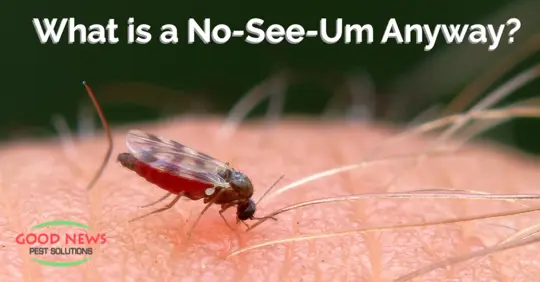
If you’re new to the Gulf Coast of Florida, you may not have had the “pleasure” yet of encountering no-see-ums… a bug that gives a whole new definition to “ankle biters.”
But not to worry – you’ll meet them soon enough. It's right around this time of year, late March - early April, that these insects start becoming a problem. Besides no-see-ums, you may also hear the term “sand fleas.” In truth, neither is a correct designation for Ceratopogonidae or biting midges. There are more than 5000 species of these biting flies, but the most common one we encounter is Culicoides.
So Small
The origin of the name no-see-um should be obvious. These bugs are 1 to 3 millimeters long, or about one of the tiniest marks on your standard tape measure. They’re found across the world except in the Arctic and Antarctica. They live for about six weeks and are most useful as pollinators for cocoa plants.
If you could look closely enough, you’d see that they’re grey, have two wings covered with dense hairs, segmented antennae, and large (relatively speaking) compound eyes.
They feed primarily on mammal blood – humans, livestock and sometimes pets – as they need the protein for laying their eggs. Their mouthparts literally slice into our skin so they can feed. The initial bite feels much like a mosquito, but because our bodies are allergic to the proteins in their saliva, a small nibble can quickly become a red, itchy, rash-like lesion on your leg or arm.
Wet and Wild
Much like mosquitoes, no-see-um larvae require water to survive. That’s one of the reasons they’re so prevalent in our area, as the marshy swampy ground is a perfect habitat for them, especially during the summer rainy season.
No-see-ums are most active in the dusk and pre-dawn hours. They’re attracted to carbon dioxide and the sweat and heat our bodies produce. They also favor floral scents – scented lotions, perfumes, and even some detergents can attract no-see-ums.
Although they stay close to the wet muddy areas, trees and overgrown foliage are a popular place for them to hang out and mate. The males emerge from the pupa stage first and are often impatiently waiting for the females to pop out so they can mate.
Protection & Prevention
The best way to keep no-see-ums from pestering you is to eliminate the places they live. So, get rid of any standing water on your property. That can be birdbaths, water collection trays, puddles, and kiddie pools. If you have pets, consider keeping their water inside or using a dispenser to keep them hydrated. Regularly clean out your gutters if you live in one of the rare homes in our area that has them.
Keep bushes trimmed and your lawn mowed. Wearing long sleeves and long-legged pants helps avoid them but can get toasty in our Florida heat and humidity. If you’re going to be outside, put a fan on your porch - no-see-ums are poor flyers, so they struggle to move upwind. Essential oils can also repel no-see-ums and mosquitoes. Lemon eucalyptus and other citrus-based odors are best, but just make sure they’re approved and safe for humans and pets. Citronella candles and torches also work well.
If you need to deal with any other insect pests in and around your home, we are here to help! Our most popular solution, Go Green Perimeter Plus handles the insects and other pests we see most often: roaches, flies, ants, silverfish, spiders and more. It’s affordable and safe for your family. For questions or anything you need to know, please give us a call!