
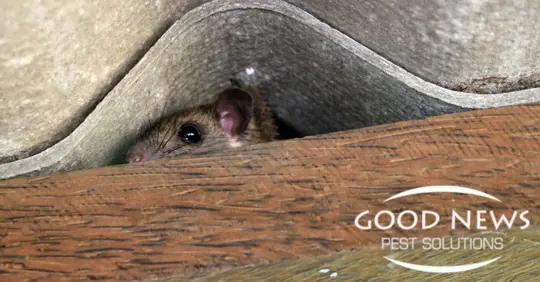
Rodent Removal in Punta Gorda, FL: Why a Mousetrap Is Never Enough
If you live in Punta Gorda, FL, you already know that Florida wildlife plays by different rules. The warm climate, waterfront green spaces along Charlotte Harbor, and ongoing residential development have pushed rats and mice out of natural corridors and straight into local homes. We get calls about this every week.
The good news? A structured, multi-step approach to rodent removal works. The not-so-good news? A single trap from the hardware store usually does not.
Why Punta Gorda, FL Homes Are Especially Vulnerable to Rodents
Florida's year-round warmth means rodents never go dormant. They breed continuously, which is why a small problem can become a large one in just a few weeks. Waterfront communities like Punta Gorda face added pressure: the green corridors, retention ponds, and preserved land near Charlotte Harbor give rodent populations places to thrive just outside your property line.
Urban expansion compounds this. As construction clears natural habitat, rodents look for the next available structure. Roof rats, in particular, are expert climbers. They enter through openings as small as a quarter inch, including roof vents, soffits, and gaps around utility lines.
The Signs You Have a Rodent Problem Right Now
Catching an infestation early saves money and reduces health risk. Watch for these indicators in your Punta Gorda home:
Droppings near food storage areas, under sinks, or in attic spaces. Gnaw marks on wiring, wood framing, or insulation. Scratching or scurrying sounds in walls or the attic, especially at night. Grease smears along baseboards or rafters where rodents travel repeatedly. A musky, ammonia-like odor that does not go away.
If you are noticing any of these signs, the infestation is already established. Rodents are nocturnal and stay hidden, so by the time you see them in daylight, the population inside your structure is likely significant.
How the Good News Premier Rodent Program Actually Works
Basic trapping addresses the symptoms. Our Premier Rodent program addresses the cause. Here is what a comprehensive rodent removal service looks like:
Exclusion first. Our technicians seal all known entry points using materials rodents cannot chew through and install proprietary covers on roof vents, which are one of the most common entry routes on Florida homes. Without exclusion, new rodents will simply replace the ones removed.
Interior trap placement. We place multiple traps in attic spaces and other affected areas. Our team checks them twice a week until we confirm no live rodents remain inside the structure.
Exterior bait stations. We install four to six professional-grade bait stations in concealed locations around your perimeter. These reduce the outdoor population continuously, which stops new invasions before they begin.
Attic cleanup. Once rodents are gone, we vacuum droppings and apply a deodorizer, sanitizer, and viruscide to the entire attic space. Rodent droppings carry pathogens. Skipping this step leaves your home vulnerable to health risks long after the animals are gone.
What to Do After Rodent Removal in Punta Gorda, FL
Removal is step one. Prevention is the ongoing work. After your service is complete, a few habits reduce the chances of a repeat infestation. Keep attic access points sealed and inspected annually. Eliminate exterior food sources, including fallen fruit, open compost, and unsecured pet food. Trim trees and shrubs so branches do not create a bridge to your roofline.
We also recommend pairing your rodent removal with a free termite inspection. Rodent activity can compromise structural areas that are also common termite entry points. It is worth having both evaluated at the same time.
Frequently Asked Questions: Rodent Removal in Punta Gorda, FL
How do I know if I need professional rodent removal in Punta Gorda?
You need professional rodent removal if you find droppings, hear scratching in walls or the attic at night, or notice gnaw marks on wiring or wood. DIY traps may catch individual animals but do not address the entry points that allow new rodents to replace them.
What type of rodents are most common in Punta Gorda, FL homes?
The roof rat is by far the most common rodent we find in Punta Gorda and Charlotte County homes. Roof rats are agile climbers that enter through rooflines, vents, and gaps around utility penetrations. The Norway rat and Florida house mouse are also present in the area but less frequently found in attic spaces.
How long does rodent removal in Punta Gorda take?
Most infestations are fully resolved within two to four weeks. Our technicians check interior traps twice per week and continue service until we confirm no live rodents remain. The exclusion work, which is the most critical part, is completed during the initial visit.
Is the rodent removal process safe for kids and pets?
Yes. We use eco-friendly products and place exterior bait stations in enclosed, tamper-resistant housings that are not accessible to children or pets. Our botanical-based approach has been the foundation of Good News Pest Solutions since 1989, because protecting your family is as important as protecting your home.
Will rodents come back after removal?
Without proper exclusion, yes. That is why sealing entry points is the first step in our program, not the last. Exterior bait stations also keep the surrounding rodent population low, reducing the pressure on your home year-round.
Ready to Reclaim Your Punta Gorda Home from Rodents?
Good News Pest Solutions has served Southwest Florida homeowners since 1989 with green, effective pest control that protects families, pets, and the environment.
If you are dealing with rodents in Punta Gorda, FL, call us at (941) 420-6199 to schedule your rodent removal assessment. You can also find us on Google Maps or visit our Punta Gorda pest control page to learn more about everything we offer in your area.