
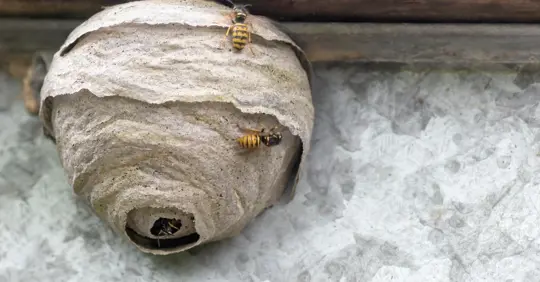
In North Venice, FL, late summer and early fall often bring more than just heat and humidity. It's also the time of year when wasps seem to appear more often—and act more aggressively. Many homeowners notice this while spending time outdoors, especially around patios, yards, and the home's eaves.
For those looking into pest control in North Venice, FL, understanding why this seasonal shift happens can help you stay safer and reduce unwanted encounters around your home.
If you're noticing increased wasp activity near your home, don't wait for nests to grow or activity to increase. Reach out through our contact form or call (941) 420-6199 for help before it escalates.
Why Wasp Behavior Changes Later in the Season
Wasps behave differently depending on the time of year. In spring and early summer, they are focused on building nests and expanding their colonies. By late summer and early fall, things change.
At this stage:
- The colony is at its largest size
- Food sources start to decline outdoors
- Wasps become more protective of their nests
- Scavenging behavior increases near homes and outdoor dining areas
This combination leads to more frequent and more defensive encounters with people.
Less Food Outside Means More Aggression
One of the biggest reasons wasps become more aggressive is food scarcity. As summer winds down, natural food sources such as insects, nectar, and fruit begin to decline.
Wasps start looking for alternatives, such as:
- Sugary drinks and spilled soda
- Outdoor food from barbecues and gatherings
- Garbage bins and compost areas
- Fallen fruit from trees
Because they compete more for food, they become quicker to defend resources and react strongly when disturbed.
Peak Nest Size Creates More Defensive Behavior
By late summer, wasp colonies are at their largest. A single nest can contain hundreds or even thousands of wasps. With more individuals protecting the colony, any perceived threat can trigger a strong defensive response.
Common nesting locations include:
- Roof eaves and soffits
- Wall voids and attic spaces
- Outdoor furniture or grills
- Trees and shrubs near the home
When nests grow unnoticed, people often come too close without realizing it, increasing the risk of stings.
Warm Weather Still Keeps Wasps Active
Even as the season shifts toward fall, Florida's warm climate allows wasps to remain active longer than in cooler regions. This extended activity period means homeowners may experience aggressive behavior well into early fall.
Conditions that keep activity high:
- Consistent warm temperatures
- High humidity levels
- Abundant outdoor human activity
Simple Ways to Reduce Wasp Encounters
While wasps are a natural part of the environment, there are steps homeowners can take to reduce risk around their property:
- Keep outdoor food and drinks covered
- Secure garbage bins tightly
- Avoid leaving sweet spills outside
- Check eaves and rooflines for early nest formation
- Be cautious around shrubs and shaded corners
Early awareness can help prevent larger nests from forming near living spaces.
When Wasp Activity Becomes a Concern
Wasps become more than just a nuisance when nests are built near high-traffic areas like doorways, patios, or play spaces. Accidentally disturbing a nest can lead to multiple stings and an increased risk for anyone nearby.
If activity around your home is increasing, it may be time for a closer inspection and targeted treatment to reduce risk and help manage nesting sites safely.
Good News Pest Solutions helps homeowners address seasonal pest concerns, including wasp activity and other stinging insects common in Florida.
Take the Next Step
Late summer and early fall wasp activity can quickly become overwhelming if nests are left untreated. Acting early can help reduce risk and improve comfort around your home.
For pest control support in North Venice, FL, contact Good News Pest Solutions or call (941) 420-6199 to learn more about pest control options for your property.