
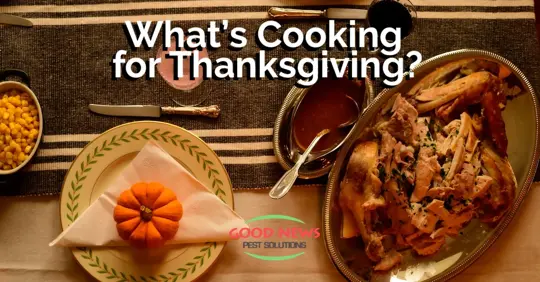
For the past few years, Walmart and Aldi have promoted and sold a complete traditional Thanksgiving dinner for up to 10 people at an amazing price. While the ingredients in each vary, they include classics like turkey, stuffing, sweet potatoes, cranberries, dinner rolls and pumpkin pie. But what if we told you the people at the first celebration of Thanksgiving ate none of these?
Turkey might have been on the menu when George Washington declared a day of Thanksgiving on December 18, 1777, in celebration of the surrender of General Burgoyne and the British forces at Saratoga. By the time Washington declared the second official United States Thanksgiving, on Thursday, November 26, 1789, in celebration of the passage of the Constitution, the meal included turkey, pumpkin and apple pies, and potatoes, among many other dishes.
Even up to when President Abraham Lincoln declared it a national holiday in 1863, the meal had more mince pies, plum puddings, sausages and fruits than what we normally set around our dinner table these days.
The First Thanksgiving
In November or early December of 1621, the settlers in Plymouth and the native Wampanoag tribe came together and shared a three-day feast. It was most likely dominated by seafood such as lobster, fish, eels, mussels and oysters, with some freshly hunted venison, harvested maize or corn, plum-porridge, hasty pudding, and locally grown squashes, including what we now call pumpkins.
In fact, the Wampanoag had a habit of giving thanks every few months for various reasons, including the harvest. The native warriors who showed up at Plymouth were on a fact-finding mission after hearing cannons and guns shot off. The Pilgrims were indeed celebrating their first successful harvest. We don’t know why they shot off guns, but the natives stuck around to make sure they were actually celebrating the harvest and not planning something more nefarious, and the two groups enacted the first treaty between England and the Wampanoag tribe.
Washington’s Thanksgivings
As mentioned, George Washington, first as a General, later as President, declared two official days of Thanksgiving, first at the defeat of the British Royalist troops, then at the adoption of the U.S. Constitution. Roasted turkey, newly invented cranberry sauce, and a variety of pies were laden around the tables. Lamb and veal were also eaten by some. White potatoes and yams, recently adopted in England and the new continent, were also served, along with several fruit puddings.
An interesting note: taking the newly ratified concept of states’ rights very seriously in those days, Washington sent each governor the declaration of Thanksgiving, asking that they partner with the federal government in marking the day of celebration. Washington also may have initiated the first volunteer food distribution, donating beer and food to imprisoned debtors in New York City after attending church at St. Paul's Chapel.
Reuniting a Nation
While Presidents following Washington often declared days of Thanksgiving, almost always in November, the first true federalization of the holiday came at the hand of President Abraham Lincoln. In 1863, at the behest of Sarah Josepha Hale, the writer of "Mary Had a Little Lamb" and editor of Godey's Lady's Book, Lincoln declared the last Thursday of November to be set aside for Thanksgiving.
Hale had been campaigning for nearly 40 years for the national holiday and routinely published menus read by thousands across the country. For this year, the Godey’s Lady’s Book menu included roast turkey with cranberry sauce, turnips, vegetable oyster cakes, mashed potatoes, boiled ham, winter squash, sweet potato pudding, pumpkin pudding, and baked lemon soufflé.
Then there were the folks who would enjoy a good squirrel and gravy for their Thanksgiving feast. Yes, that’s exactly what you heard. Apparently squirrel brains were a delicacy up in the hills.
Unfortunately, while there is evidence that fighting paused for a few days, the Civil War would not end for another two years.
Modern Celebrations
While a few menu items have changed in the last 150 years, many of the dishes published in Godey’s have become traditions for the Thanksgiving dinner table. Families may serve ham with or without turkey, or may substitute chicken or pheasant as the fowl of choice. Green bean casserole was a product of a Campbell’s soup marketing campaign in 1955 that stuck around. Puddings and mince pies have disappeared, replaced by pecan, pumpkin and apple pies.
Another popular tradition that has grown over the last 100 years is reflecting on our gratitude, and donating food and serving dinner to the poor. While this, sadly, is more needed than ever, and many communities have a weekly dinner, Thanksgiving has become the central holiday for food banks and homeless missions.
While volunteers are always appreciated, many of these organizations are overwhelmed with seasonal do-gooders. They suggest giving donations for Thanksgiving and uniting with your church, Bible study, workplace or social group to serve the poor at other, less popular times of the year. Unfortunately, there is always a need.
On a national level, Feeding America provides nutritious meals and food distribution to thousands of needy people. Many of us at Good News Pest Solutions donate our time and resources through All Faiths Food Bank. Another local group we love is Resurrection House, which supplies food, housing, legal help, hygiene, medical care, laundry facilities and mental and spiritual health care to homeless individuals.
Whether you support these organizations or others of your choosing, the important thing is being willing and able to give back some of what we’ve been blessed with to bless others. That’s the underlying message of Thanksgiving, going all the way back to the earliest celebrations. We’ll go more in depth on that next week. Until then, if we can help you with a pest issue, don’t hesitate to give us a call!