
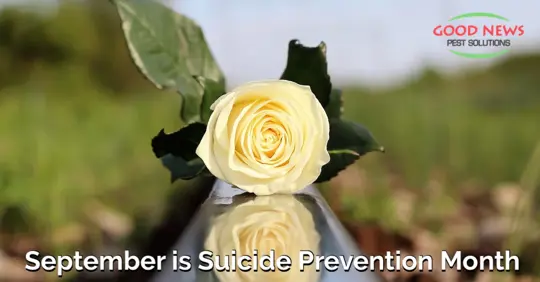
In 2003, recognizing the rising rate of self-inflicted deaths, the World Health Organization (WHO) declared September 10 as World Suicide Prevention Day. Several other organizations got on board, later launching the entire month of September as Suicide Prevention Month.
It’s not just about teens. The National Alliance on Mental Illness notes 5.5% of United States adults have serious thoughts of suicide. Although veterans compose only 7.6% of the U.S. population, nearly 14% of American adult suicides are among veterans. There are nearly twice as many suicides, on average, than homicides in the U.S. Suicide crosses all racial, age, educational, financial and religious barriers.
It doesn’t get talked about a lot, but one of the seemingly positive outcomes of the COVID-19 lockdowns a few years ago was a drop in suicide rates. Sadly, 2022 was a record year for self-inflicted deaths. Suicide isn’t talked about much at all – a recent poll shows only 45% of people feel comfortable talking to family and friends about suicidal thoughts.
Hence, the theme of this year’s events: “‘Changing the Narrative on Suicide.”
Sometimes the hardest words to say are the most important. The best way to prevent suicides is to move away from the culture of silence and embrace openness, honesty, empathy and support.
If You’re Feeling Down
Remember, everyone gets anxious and depressed at times. It’s not the end of the world. And you are not alone. It's also okay to have those feelings, even to dwell on them for a short time. They will eventually pass.
If they don’t, please talk to a professional – a counselor, pastor, or teacher; even a parent or close friend. Just talking about how you are feeling could help alleviate some of your distress. You can also speak to volunteers who have been trained to listen by contacting a helpline (resources listed below).
You may find it helpful to create a “safety plan,” to help you navigate suicidal feelings and urges. If things get too hard, and you are in immediate danger of suicide or self-harm, call 9-1-1 emergency services immediately to ensure your safety.
Having anxiety, depression, PTSD, or suicidal thoughts doesn’t mean you are irrevocably broken. If you are a Christian, it doesn’t mean you lack faith or have been rejected by God or Jesus. It means you are human and need help.
King David writes in the Psalms, “The righteous cry out, and the Lord hears them; he delivers them from all their troubles. The Lord is close to the brokenhearted and saves those who are crushed in spirit. The righteous person may have many troubles, but the Lord delivers him from them all; The Lord will rescue his servants; no one who takes refuge in him will be condemned.” (Psalm 34: 18-20, 22)
Speaking Up
If someone comes to you and shares their struggle, be a good mentor, counselor, parent, friend. Listen to them. Take them seriously. Don’t blow them off, condemn them, or tell them they’re overreacting or creating the problem. Support them with empathy and understanding. Help them if you can, and if it’s too much or the problem is larger than you can deal with, help them get better help.
Your job is not to come up with solutions, but to just listen to the person and support them. If possible, explore options for seeking help and safety. You can also help by being there for someone when they call a helpline or make an appointment with a health professional.
The worst thing you can do is criticize them, shame them, or tell them they are the source of the problem. That only emphasizes the underlying issue and may encourage them to go through with self-harm, rather than drawing back from it.
Always be willing to talk and listen. If you are worried that somebody is suicidal, you can ask them. Research shows that talking to someone openly about suicide does not increase their risk of acting on it.
Resources to Help
There are many local, national and international organizations that offer help to those struggling with anxiety, depression and suicidal thoughts. On their website, the International Association for Suicide Prevention offers a way to find a helpline near you. The American Foundation for Suicide Prevention has text and call in lines and various programs to help you manage your feelings long term. NAMI, the National Alliance on Mental Illness, provides call-in lines and resources for everyone from someone considering suicide to someone dealing with the loss of a loved one through self-inflicted harm or death.
Here at Good News Pest Solutions, we believe we are here to help, support, and love one another - that Jesus came to this world to seek and save the lost, not condemn them for being lost. That’s the Good News! While we may not be available to speak one on one with everyone, we would love to pray for you. Our staff meets every day to pray and we are always open to any and all prayer requests. So if you’re feeling lost or thinking self-harm might be the answer, send us your request and speak to someone about it. We will listen.
You are not alone.